
The bridge between traditional banking and digital assets is getting much easier to cross.
On September 16, 2026, Coinbase announced a partnership with Stablecore designed to help community and regional banks and credit unions offer digital asset services through the banking platforms their customers already use.
That could include buying, selling and holding digital assets, stablecoin payments, custody, and staking — without requiring a financial institution to replace its existing banking technology.
Perhaps most significant, Stablecore says its technology footprint reaches more than 3,000 U.S. banks and credit unions, potentially giving thousands of smaller financial institutions a pathway to participate in the growing digital financial system.
What Exactly Are They Building?
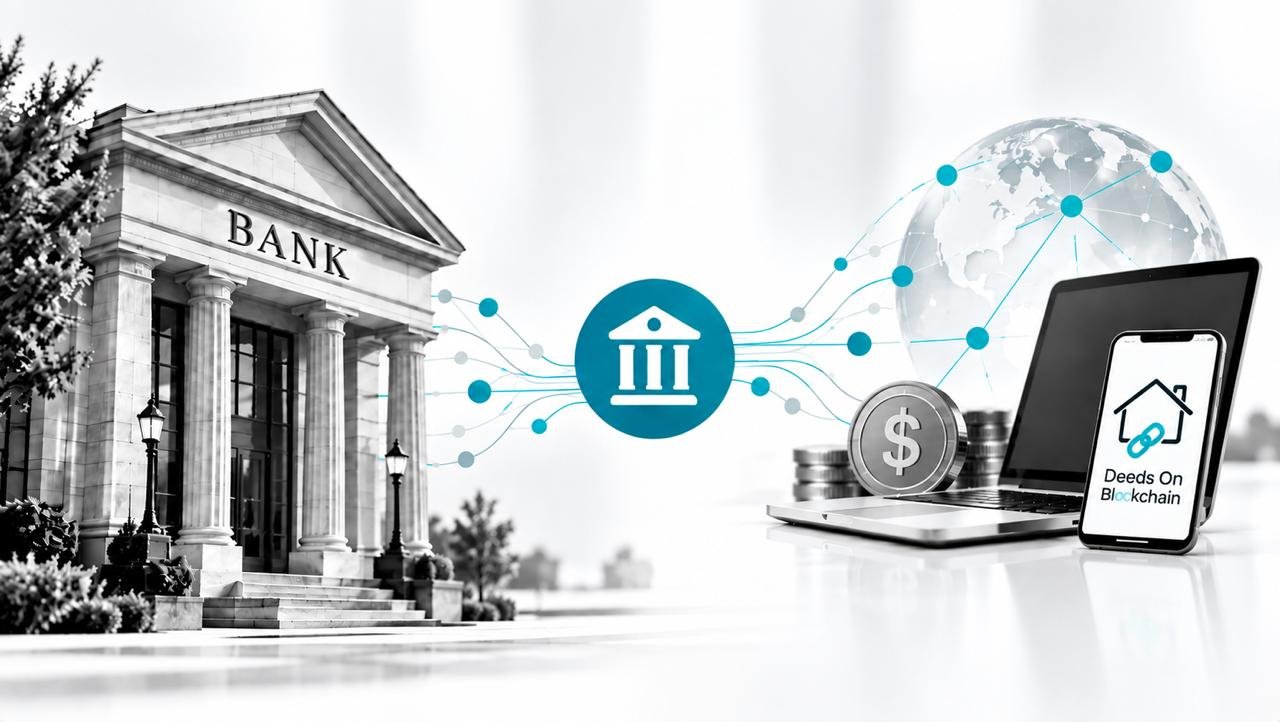
Stablecore acts as a bridge between the traditional banking systems financial institutions already use and the newer infrastructure supporting stablecoins and digital assets.
On one side are the bank’s existing systems for online banking, payments, customer accounts, and compliance. On the other is Coinbase’s digital asset infrastructure, including custody and exchange services.
The goal is to connect those systems rather than require banks and credit unions to replace the technology they already use.
Your Bank or Credit Union → Stablecore → Coinbase Infrastructure → Digital Assets & Blockchain Networks
What Could Customers Do Through Their Bank?
According to Coinbase, participating banks and credit unions could offer digital asset services directly through their existing banking experiences. Instead of requiring customers to open a separate account with another provider, these services could be offered through the financial institution they already know and use.
Depending on the services a financial institution chooses to offer, customers could potentially:
Buy and sell digital assets
Hold digital assets
Make stablecoin and digital asset payments
Stake supported digital assets
Access digital asset custody services
Stablecore also provides infrastructure for stablecoins and tokenized deposits, giving financial institutions additional ways to connect traditional banking services with emerging digital financial rails.
Why the 3,000+ Number Matters
There is an important distinction here: this announcement does not mean that more than 3,000 banks and credit unions are suddenly offering cryptocurrency or stablecoin services.
Stablecore says its platform is already integrated with the core banking systems, digital banking platforms, and compliance systems used across a technology footprint reaching more than 3,000 U.S. banks and credit unions.
That existing reach could make it easier for financial institutions that choose to offer digital asset services to connect them with technology they already use, rather than starting from scratch.
The partnership is already underway with financial institutions including Amarillo National Bank in Texas, according to Coinbase.
This Is Part of a Bigger Shift in Banking
The Stablecore partnership becomes even more interesting when viewed alongside another recent Coinbase announcement.
On September 10, 2026, Coinbase announced a partnership with Moov aimed at bringing stablecoin payment infrastructure to financial institutions and fintech companies. The collaboration is designed to support capabilities such as stablecoin payments, settlement, real-time funding, and custody.
Now, just days later, the Stablecore partnership provides another connection between Coinbase’s digital asset infrastructure and the technology used by community and regional banks and credit unions.
Taken together, these developments show how different pieces of the financial system are beginning to connect:
Banking → Stablecoins → Payments → Custody → Digital Assets → Blockchain
Rather than asking banks to abandon their existing systems, companies are increasingly building technology that allows traditional financial institutions to connect with new digital financial rails.
The Bigger Picture: Blockchain Is Moving Behind the Scenes
For years, using cryptocurrency or blockchain technology often meant opening separate accounts, downloading new apps, managing unfamiliar wallets, or moving money outside traditional banking systems.
That experience may gradually change.
What we are beginning to see is blockchain and digital asset infrastructure being integrated behind familiar financial services.
A customer could potentially continue interacting with their bank much as they do today, while some of the technology supporting payments, digital assets, or settlement operates behind the scenes.
Mass adoption of blockchain may not require everyone to become a blockchain expert.
For many people, the technology may simply become part of the financial infrastructure they already use.
What Could This Eventually Mean for Real Estate?
A real estate transaction depends on several financial and professional systems working together. Buyers, lenders, banks, title and escrow companies, real estate professionals, and sellers all need to exchange information and move funds securely before a property can close.
At the same time, another generation of technology is developing around stablecoin payments, digital identity, smart contracts, tokenized assets, blockchain transaction records, and digital deeds.
For blockchain-based real estate transactions to become practical on a larger scale, traditional financial systems and emerging digital financial systems need ways to connect.
Infrastructure such as the Coinbase and Stablecore partnership could eventually become one piece of that bridge.
Buyer → Bank → Digital Financial Rails → Title & Escrow → Seller
Imagine a future transaction where a buyer still works with a familiar bank, real estate agent, lender, and title or escrow provider — but some payments, settlement processes, or transaction records can move across digital financial rails behind the scenes.
This does not mean the Coinbase and Stablecore partnership currently provides blockchain real estate closings or digital deeds. It does not.
What it does show is that infrastructure connecting traditional financial institutions with stablecoins, digital assets, and blockchain-based financial services is being built today — infrastructure that could eventually help make digital real estate transactions easier to integrate with the financial system people already use.
The Future May Look More Familiar Than We Expected
For years, much of the conversation around blockchain focused on whether it would replace banks and other traditional financial institutions.
What we are increasingly seeing may look very different.
Instead of replacing the financial system, blockchain technology and digital assets may increasingly become another layer of infrastructure that banks, payment companies, and other established businesses can integrate into services people already use.
Your community bank could still be your community bank. Your banking app could still look familiar. Your real estate professional could still guide you through your transaction.
But underneath those familiar experiences, the technology used to move money, verify information, and record transactions may continue to evolve. That may ultimately be how blockchain reaches everyday real estate — not by asking everyone to abandon the systems they know, but by connecting those systems to something new.
Source: Coinbase — Coinbase and Stablecore Bring Stablecoin and Digital Asset Services to Community and Regional Banks and Credit Unions
Deeds on Blockchain provides educational information about emerging real estate, financial, and blockchain technology. This article is for informational purposes only and is not financial, legal, tax, or investment advice.