A deed is a legal document used to transfer ownership or an interest in real property from one party to another.
Traditionally, deeds have been prepared as paper documents, signed, notarized when required, and recorded with the appropriate local government recording office.
As real estate becomes increasingly digital, many parts of this process can now happen electronically.
A Digital Deed in Simple Terms
A digital deed can generally refer to a deed that is created, signed, stored, transmitted, or recorded electronically rather than handled entirely on paper.
Electronic documents and electronic signatures already have legal recognition under federal and state laws, although the specific requirements for real estate documents and recording vary by jurisdiction.
So a digital deed doesn’t necessarily mean blockchain.
That’s an important distinction.
Where Does Blockchain Come In?
Blockchain creates another possibility for digital property records.
Certain information about a deed, transaction, or property could potentially be recorded or referenced on a blockchain, creating a verifiable digital record connected to that transaction.
Think of it as adding another digital layer to property records.
Depending on how a system is designed, blockchain could be used to help establish information such as:
What was recorded
- When it was recorded
- Which transaction it relates to
- Whether information has subsequently been changed
Because blockchain records are cryptographically linked, they can provide a strong way to verify the history and integrity of digital information.
Does Putting a Deed on Blockchain Make It the Legal Deed?
Not automatically.
This is one of the most important things to understand about blockchain and real estate.
Legal ownership of real property is governed by state property laws and local recording systems. Simply placing information about a property—or even a digital representation of a deed—on a blockchain does not by itself override those legal requirements.
For blockchain-based property records to become part of an official ownership system, the technology has to work within the laws and recording requirements of the jurisdiction where the property is located.
What Could This Look Like in the Future?
Imagine buying a home and having certain parts of the transaction digitally connected.
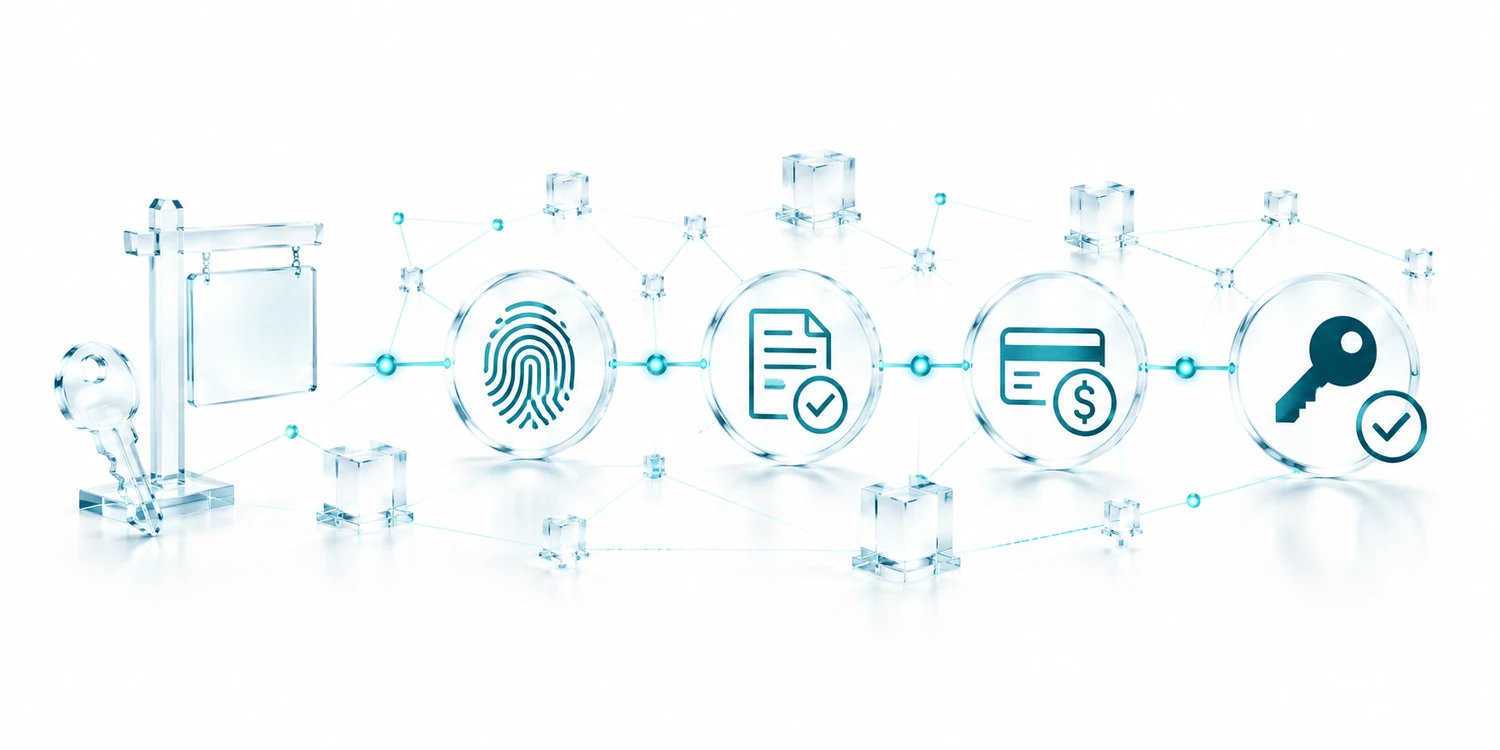
The purchase agreement, identity verification, payments, title information, deed, recording information and transaction history could potentially interact through connected digital systems.
Blockchain could provide a verifiable record layer underneath parts of that process.
Instead of replacing real estate professionals, title companies, attorneys or government recording offices, the technology could help those parties share and verify information differently.
Are Digital Deeds Being Used Today?
Real estate is already moving toward electronic documents, electronic signatures, remote online notarization and electronic recording.
Blockchain adds another developing layer to that digital transformation.
Some companies and governments have experimented with blockchain technology for property transactions and land records, while the legal and regulatory framework continues to develop.
That means we’re somewhere between the traditional system we know today and a potentially much more connected digital property system in the future.
Why Does This Matter to Homeowners?
Your deed is one of the most important documents connected to your property.
As property records become increasingly digital, understanding how those records are created, verified, stored and transferred will become more important.
You don’t need to understand the technology behind every system.
But understanding what a digital deed is—and the role blockchain could play—can help you recognize how property ownership may evolve.
The Simple Takeaway
A digital deed is a deed handled electronically rather than entirely on paper.
A digital deed does not automatically mean a blockchain deed.
Blockchain can potentially provide an additional way to record, verify or connect information associated with a property transaction.
And most importantly:
Technology does not determine legal ownership by itself. Property law and official recording requirements still matter.