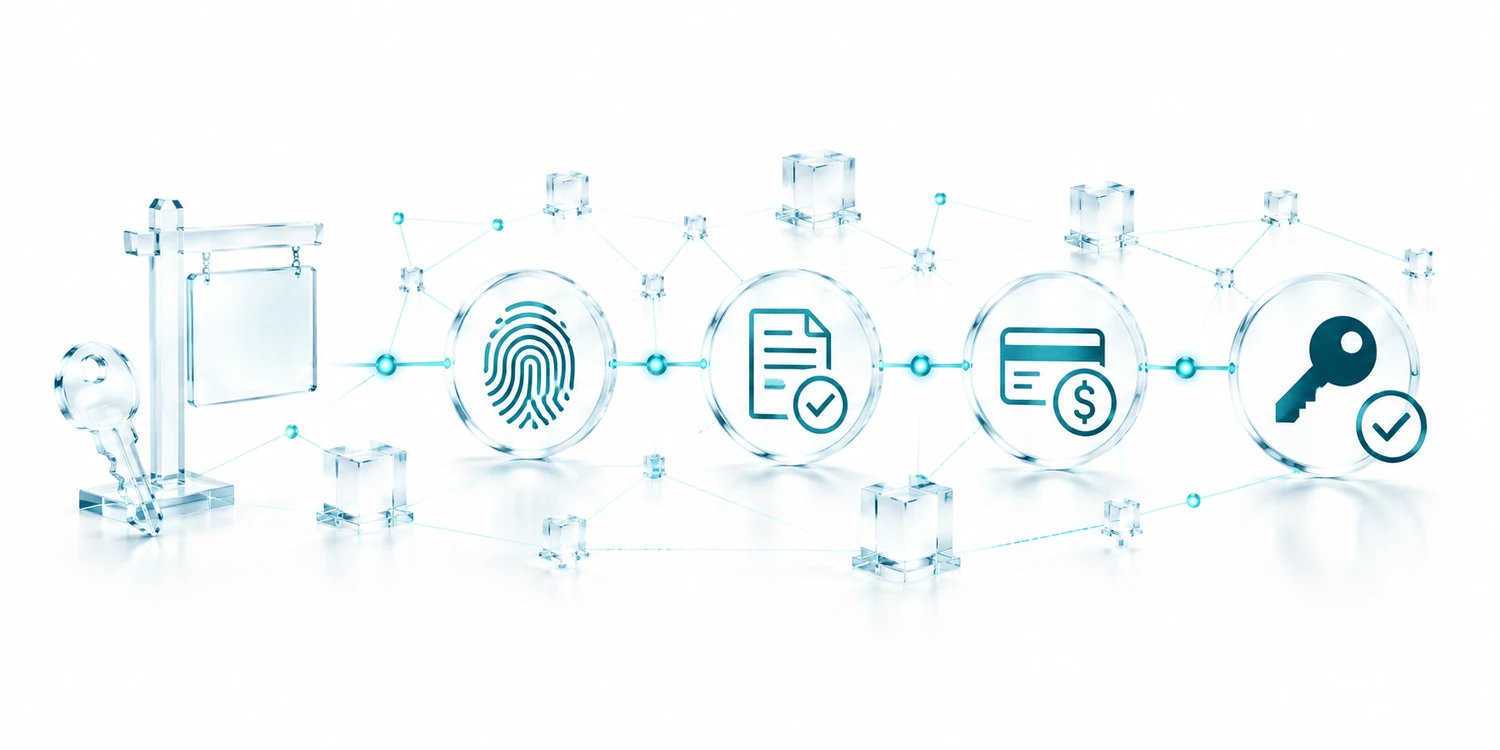
At its simplest, tokenization is a way of representing rights or interests in a real-world asset digitally using blockchain technology.
The asset could be a building, land, a home, or an investment in real estate.
Instead of thinking about the token as the property itself, think of it as a digital representation of certain rights connected to the property or investment.
Think of It Like Digital Shares
Imagine a commercial property worth $1 million.
Traditionally, one person or a small group of investors might own the property.
With tokenization, an ownership or investment structure could potentially be divided into many digital tokens.
For example, instead of one investor needing to purchase the entire investment, multiple investors might each purchase a smaller interest.
This is often referred to as fractional ownership.
However, owning a token does not automatically mean your name is on the deed. The legal rights attached to a token depend on how the investment and ownership structure are created.
How Does Blockchain Fit In?
Blockchain provides the digital infrastructure that can be used to create, record and transfer tokens.
A token can be programmed to represent specific rights or interests and transactions involving it can be recorded on the blockchain.
This can create a verifiable digital history showing when tokens were issued and when they changed hands.
Does a Real Estate Token Mean You Own the Property?
Not necessarily.
This is one of the most important things to understand about real estate tokenization.
A token could represent different things depending on how the offering is structured.
For example, a token might represent:
- An ownership interest in a company that owns the property
- A fractional investment interest
- Certain financial or contractual rights connected to the property
- Another legally defined interest
The actual property may still be owned by an LLC, corporation, trust, individual, or other legal entity.
That means you should always understand what the token actually represents before assuming it represents direct ownership of the real estate.
Why Tokenize Real Estate?
Real estate has traditionally been difficult to divide into small pieces.
You can divide shares of a company fairly easily, but you can’t physically divide an apartment building among hundreds of investors.
Tokenization creates a digital way to potentially divide certain economic or ownership interests into smaller portions.
This could create new possibilities for:
Fractional Ownership
Investors may be able to participate with smaller amounts of money rather than purchasing an entire property.
Digital Transfers
Certain interests may be transferred digitally using blockchain-based systems, subject to applicable laws and restrictions.
Broader Access
Tokenization may allow different types of investors to participate in real estate opportunities that previously required larger amounts of capital.
Programmable Assets
Tokens can potentially interact with smart contracts to automate certain parts of ownership, payments, distributions, or transfers.
Can You Tokenize Your House?
Technically, digital tokens can be created in connection with many types of assets—but creating a token does not automatically change the legal ownership of your home.
Real estate ownership is governed by property laws, deeds, contracts and recording requirements.
Tokenizing a property therefore requires much more than simply creating a token on a blockchain.
The legal structure behind the token is just as important as the technology.
What Could This Mean for the Future of Real Estate?
Tokenization could change the way people invest in, finance and potentially transfer interests in real estate.
Imagine being able to invest in a small portion of a commercial building, rental property or real estate development through a digital platform.
Or imagine property ownership and financial interests interacting with digital payments, smart contracts and blockchain-based records.
These systems are still developing, and laws and regulations will play a major role in determining how widely they are used.
But tokenization is creating new ways to think about something that has traditionally been difficult to divide:
real estate ownership and investment.
The Simple Takeaway
Real estate tokenization is the process of digitally representing certain rights or interests connected to real estate using blockchain technology.
A token does not automatically equal a deed or direct ownership of a property.
What you actually own depends on the legal rights and structure behind the token.
Blockchain provides the technology.
The legal structure determines what the token represents.