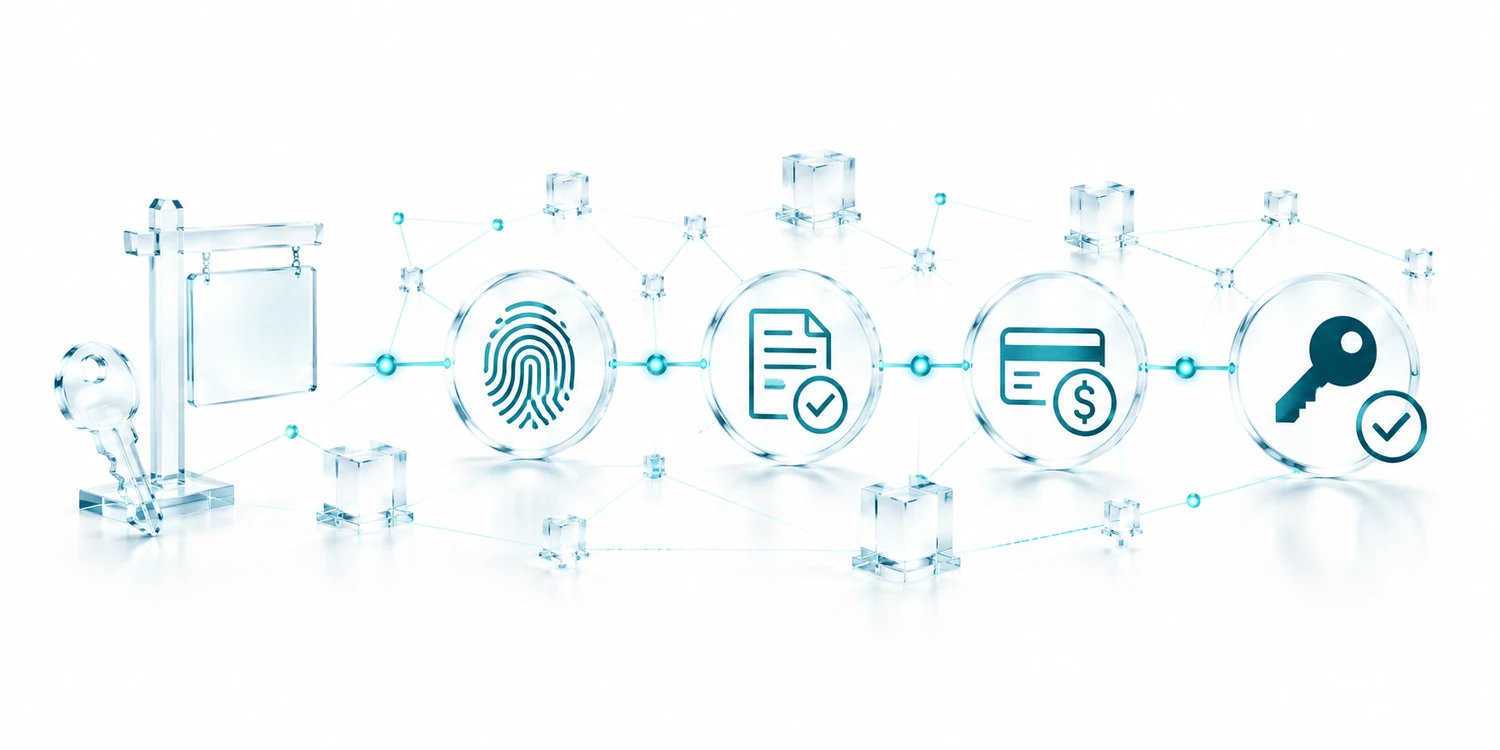
At its simplest, blockchain is a way of recording and sharing information digitally. Instead of keeping one master record in one location, copies of the record can be maintained across a network.
When new information is added and verified, it becomes part of a continuing record. The technology uses cryptography to connect records together, making changes easier to detect and older records increasingly difficult to alter.
Think of It Like a Digital Record Book
Imagine a record book that authorized participants can access and verify.
Every time something new happens, a new entry is added. Previous entries remain part of the history, creating a trail of what happened and when.
Blockchain takes this basic idea and applies it digitally across a network.
Is Blockchain the Same as Cryptocurrency?
No.
Cryptocurrencies such as Bitcoin helped make blockchain famous, but cryptocurrency is only one use of blockchain technology.
Blockchain can also be used for things such as records management, digital assets, supply chains, identification systems and other applications.
That distinction is especially important when talking about real estate.
What Does Blockchain Have to Do With Real Estate?
Real estate depends heavily on records.
Property ownership, deeds, transfers, contracts and transaction information all require accurate documentation.
Blockchain technology creates new possibilities for how some of that information may be recorded, verified and shared.
For example, blockchain has been explored for land and property records. Blockchain is also part of a larger movement toward tokenization, where real-world assets—including real estate—can be represented or recorded on programmable platforms such as blockchains.
A Simple Real Estate Example
Imagine a property changes ownership.
Today, information may move between buyers, sellers, real estate professionals, lenders, title companies, attorneys, county recording offices and other parties.
Blockchain technology could provide a shared digital layer where certain transaction information or records can be verified and tracked.
That does not mean blockchain eliminates all of those professionals or that putting information on a blockchain automatically transfers legal ownership of a house.
Instead, it is a technology that may become part of the infrastructure supporting future real estate transactions.
Why Does This Matter?
Real estate is becoming increasingly digital.
Digital deeds, smart contracts, tokenized real estate, digital payments and onchain records are bringing blockchain technology closer to an industry that has traditionally relied heavily on paper documents and separate databases.
You don’t need to become a blockchain expert.
But understanding the basics today can help you understand the technologies that may shape how property is bought, sold, financed and recorded in the future.
The Simple Takeaway
Blockchain is a shared digital record system designed to make information verifiable and difficult to alter without detection.
Cryptocurrency is one application of it.
Real estate may be another.
And that’s why blockchain is worth understanding.