
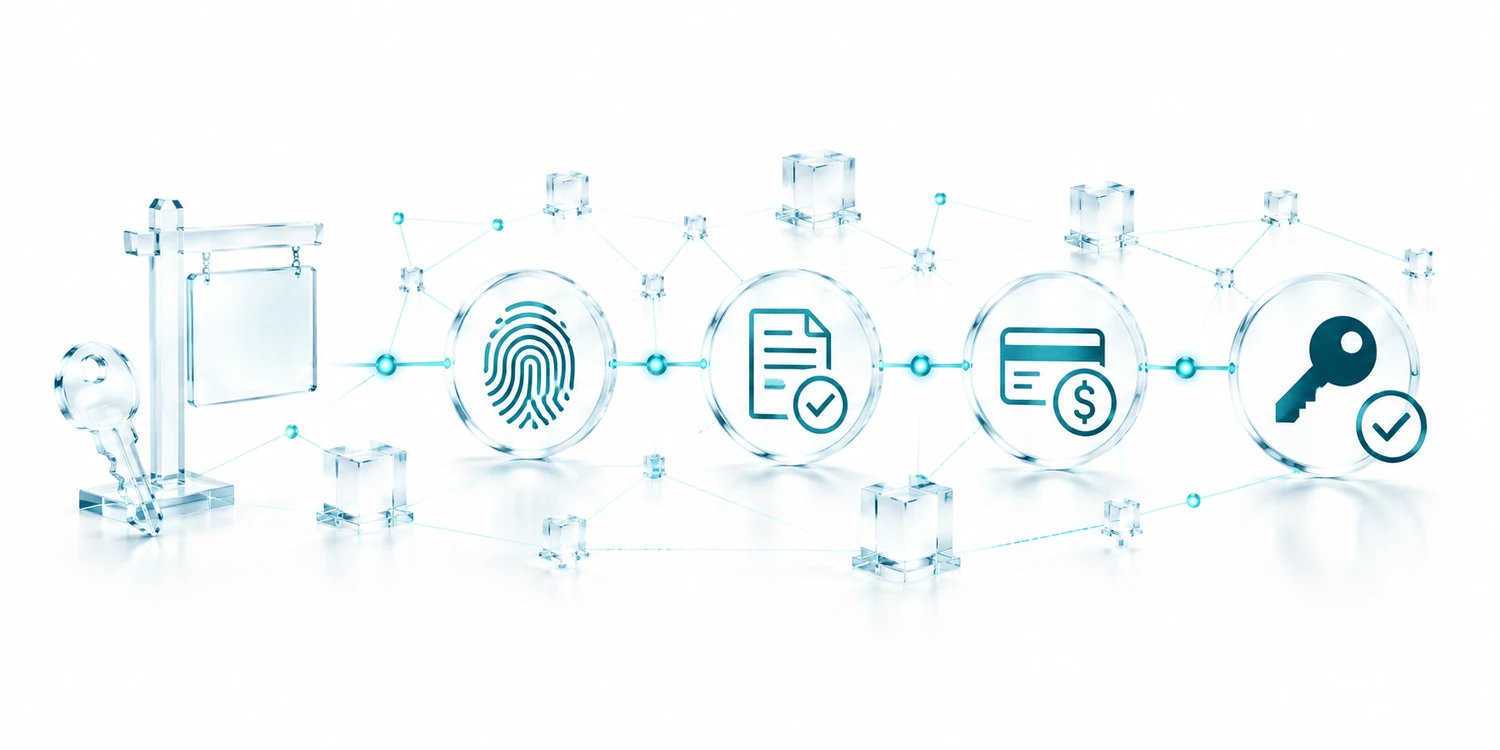
Understanding how blockchain, AI, smart contracts, digital identity, and digital payments could make parts of buying and selling a home more connected and efficient.
1. Could Blockchain Make Buying or Selling a Home Faster?
Yes. Blockchain and other digital tools are already being used in some real estate transactions to help make parts of the process more efficient. As these technologies become more widely adopted, they could help make additional parts of buying and selling a home faster and more connected.
Instead of waiting for paperwork to be passed back and forth, technology could help organize documents, verify information, track transaction steps, process digital payments, and keep information connected in one place.
Some digital steps could even happen outside normal business hours.
Blockchain wouldn’t make every home sale instant. Inspections, financing, appraisals, title work, and other legal or transaction requirements may still take time.
Simple Example:
Imagine you sign a purchase agreement on a Friday night.
Instead of everything waiting until Monday, a digital system could immediately organize the signed documents, record that certain steps were completed, and begin preparing the information needed for the next steps in the transaction.
Where available and permitted, a digital payment system could also allow the earnest money process to begin electronically.
Think of it like:
📄 Digital documents = Less paperwork being passed around
💵 Digital payments = Funds may move more efficiently
🔗 Blockchain = Helps verify and track information
🏠 Result = Some parts of the transaction could move faster
Technology may not eliminate every step—it could help some of those steps happen more efficiently.
2. Would I Still Need a Real Estate Agent?
Yes. Technology can make a real estate transaction more efficient, but professional knowledge and guidance still matter.
Blockchain and AI can help with things like organizing documents, tracking deadlines, verifying information, and making parts of a transaction more efficient.
A real estate agent helps you understand the market, price a home, negotiate an offer, work through problems, and make important decisions throughout the transaction.
Simple Example:
Imagine you receive three offers on your home.
Technology could help organize the offers and compare important details.
Your real estate agent can help you understand the differences and risks, negotiate the terms, and decide which offer may be best for your situation.
Think of it like:
🤖 Technology = Helps with the process
🏠 Real estate agent = Provides knowledge, guidance & negotiation
👤 You = Make the final decisions
Technology can provide better tools. Your agent helps you decide how to use the information.
3. What Could a Smart Contract Do in a Home Sale?
A smart contract is a computer program that follows programmed instructions automatically.
It can be programmed to say:
“When this happens, do this next.”
During a home sale, a smart contract could help track completed steps, respond when certain requirements are confirmed, and automatically trigger an approved next step.
Simple Example:
Imagine money is being held for a home purchase.
A smart contract could have a programmed rule that says:
“Do not allow the next step until the required conditions have been confirmed.”
Once the system receives confirmation that those conditions were met, the smart contract could automatically trigger the next programmed action.
That might include allowing an authorized payment process to move forward.
Think of it like:
📋 Agreement = Sets the legal terms
⚙️ Smart contract = Follows programmed instructions
✅ Verified conditions = Tell the program when to act
💰 Funds = Could move when an authorized payment condition is met
🏠 Professionals = Still handle the legal transaction
The legal contract says what should happen.
The smart contract can help carry out certain programmed actions.
4. Could My Identity Be Verified Digitally?
Yes. Digital tools can be used to help prove that you really are who you say you are.
Instead of relying only on paper documents, secure systems can use things like your ID, digital signature, fingerprint, or Face ID to help verify your identity.
Blockchain could then help create a record showing that an identity verification took place.
Simple Example:
Imagine you’re signing documents to buy a home.
Before you’re allowed to sign, the system asks you to scan your driver’s license and use Face ID.
The identity-verification system confirms:
“Yes, this is the correct person.”
You can then continue with the transaction.
Think of it like:
🪪 Driver’s license = Shows who you are
👤 Face ID or fingerprint = Helps confirm it’s really you
🔗 Blockchain = Can help record that the verification happened
5. Could Earnest Money or Closing Funds Be Sent Digitally?
Yes—but how the funds can be sent depends on the transaction.
Money already moves electronically in many real estate transactions. Some real estate transactions can also use blockchain-based payment methods, depending on the platform, parties involved, and applicable transaction requirements.
This doesn’t mean you would simply send money directly to the seller. Title, escrow, lender, legal, and other transaction requirements would still need to be followed.
Simple Example:
Imagine you need to send $5,000 in earnest money.
Instead of sending a traditional bank wire, an approved digital payment system could allow the funds to be sent to the appropriate escrow account, with a digital record showing when the payment was made.
Think of it like:
💵 Earnest money = Your deposit
📱 Digital payment = How the money is sent
🔗 Blockchain = Can provide a record of the digital payment
The way the money moves may change. The protections around the transaction still matter.
6. Could Blockchain Help With Closing Documents?
Yes. Blockchain could help make closing documents easier to track and verify.
Important documents, such as a deed or other signed closing document, could have a digital record showing when certain information was recorded and helping verify whether the document was later changed.
Blockchain would not replace the legal documents. It could simply provide another way to help verify them.
Simple Example:
Imagine you sign a deed at closing.
A digital record could be created showing:
“A record of this document was created on this date.”
If someone later changed something in the document, its digital fingerprint would change and no longer match the original.
That could help show that something in the document had been changed.
Think of it like:
📄 Closing document = The important paperwork
✍️ Digital signature = Helps show who signed it
🔗 Blockchain = Helps verify and track the record
The document remains the legal document. Blockchain can add another layer of verification.
7. Where Could AI Help During a Home Sale?
AI is already being used in real estate to help with tasks such as organizing information, analyzing documents, creating reminders, assisting with property searches, and handling routine work.
During a home sale, AI can help professionals organize documents, identify important information, track steps and deadlines, and flag items that may need human review.
Simple Example:
Imagine a buyer and seller sign a purchase agreement.
Instead of someone manually entering all the information, AI could help pull important details from the agreement and create a list showing:
“Here are the important dates, documents, and next steps needed to get this home to closing.”
If something appears to be missing, AI could flag it for the appropriate person to review.
Think of it like:
🤖 AI = Helps with the busywork
📄 Professionals = Review and manage the transaction
🏠 Buyer & seller = Make the important decisions
AI can help organize the information. People still review it and make the decisions.
8. Would Blockchain Eliminate Title and Escrow?
No. Blockchain does not automatically eliminate title or escrow.
Title and escrow professionals perform important work during a real estate transaction, such as checking ownership, identifying title issues, handling transaction requirements, and helping move the sale toward closing.
Blockchain could simply become another tool they use to help verify records and make some parts of the process more efficient.
Simple Example:
Imagine you’re buying a home.
The title company still checks that the seller has the right to sell the property and looks for liens or other title issues that may need to be addressed.
Blockchain could help verify certain property records or documents, but professionals would still be needed to review the information and handle the transaction.
Think of it like:
🔗 Blockchain = Helps verify and track information
📄 Title & escrow = Help manage important parts of the transaction
🏠 Buyer & seller = Complete the sale
Blockchain may change some of the tools used in a closing without eliminating the important work that still needs to be done.
The Simple Takeaway
Buying or selling a home involves people, documents, money, deadlines, and legal requirements.
Blockchain, AI, smart contracts, digital identity, and digital payments could help make some parts of that process faster, easier to verify, and more connected.
But the technology doesn’t replace the people or protections involved in a real estate transaction.
Technology can improve the process.
People still make the important decisions.
Property law still determines the rules.