You don’t need to understand how blockchain works to understand why it could matter to your home.
For homeowners, the important question isn’t really:
“What is blockchain?”
It’s:
“Could this change the way my property ownership is recorded, protected or transferred?”
The answer is potentially yes—but the changes are happening gradually.
Blockchain is one of several technologies being explored to make property records and real estate transactions more digital, connected and verifiable.
Here’s what that could mean for homeowners.
Your Home Comes With a Lot of Records
Owning a home involves much more than having the keys.
There may be a deed, title records, mortgages or liens, tax records, surveys, permits, insurance information and a history of previous ownership and transfers.
Much of this information is stored by different organizations using different systems.
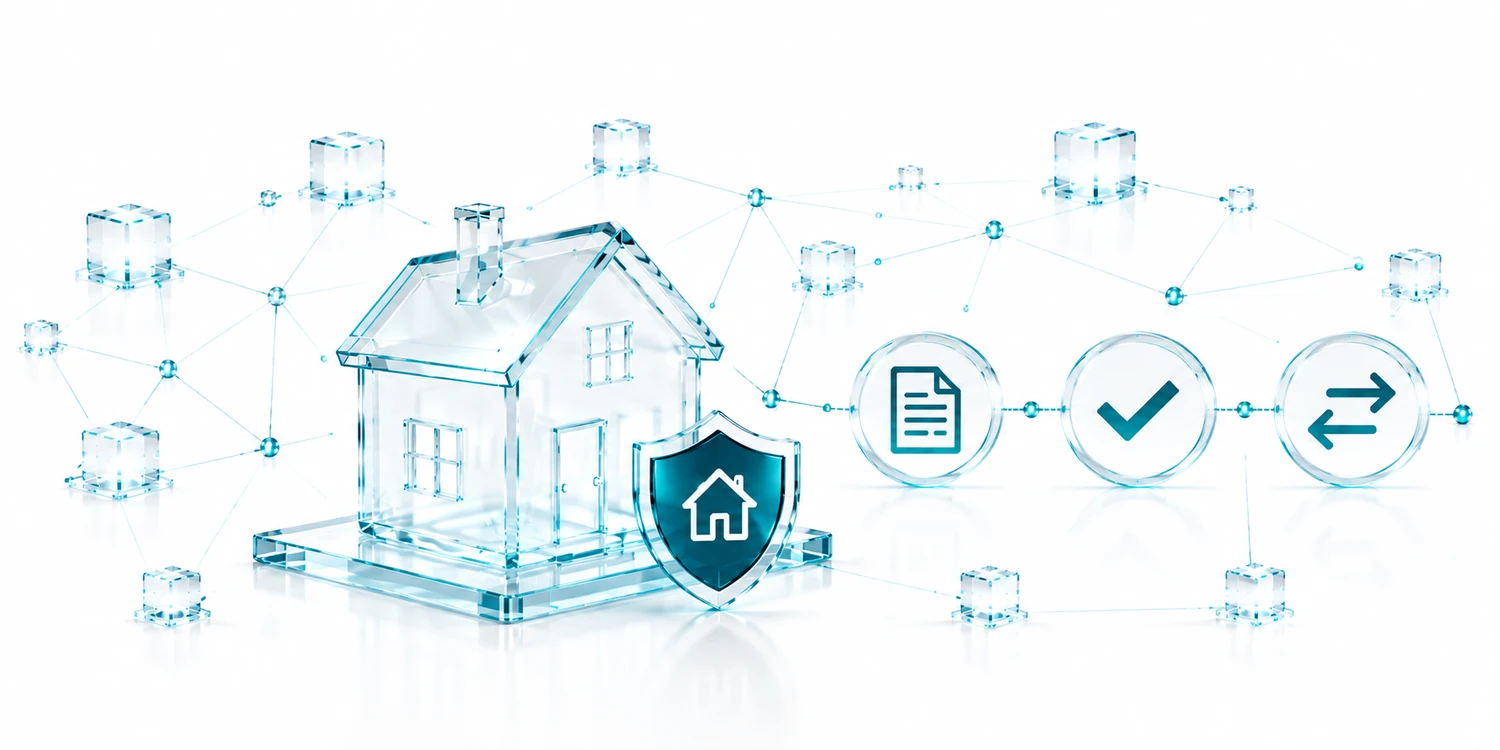
Blockchain creates the possibility of providing another digital layer where certain property information can be recorded or verified.
A simple way to think about it is:
Your house is physical.
The records that help establish its history and ownership are information.
Blockchain is a technology designed to help record and verify information.
Could Your Deed Become Digital?
In many places, parts of the deed and recording process are already electronic.
Blockchain could eventually add another layer by allowing certain information associated with a deed or property transaction to be recorded or referenced on a blockchain.
But there is an important distinction:
A digital deed does not automatically mean a blockchain deed.
And putting property information on a blockchain does not automatically make it the legally recognized record of ownership.
Property laws and official recording requirements still matter.
Want to learn more? → What Is a Digital Deed?
Could Blockchain Make Property Records Easier to Verify?
This is one of the areas where blockchain becomes interesting for homeowners.
Blockchain records are designed so that previous information is difficult to change without that change being detectable.
That could potentially help create a clearer digital history of certain property information.
Imagine being able to verify important events connected to a property and see a reliable record of when they occurred.
That doesn’t mean blockchain eliminates mistakes, fraud or inaccurate information.
Blockchain can help protect the integrity of information after it has been recorded—but it cannot guarantee that the information was correct when it was entered.
That distinction is important.
What About Selling Your Home?
A traditional home sale involves many people and systems.
There may be buyers and sellers, real estate professionals, lenders, title companies, attorneys, inspectors, appraisers, insurance companies, government recording offices and others.
Information and documents move between those parties throughout the transaction.
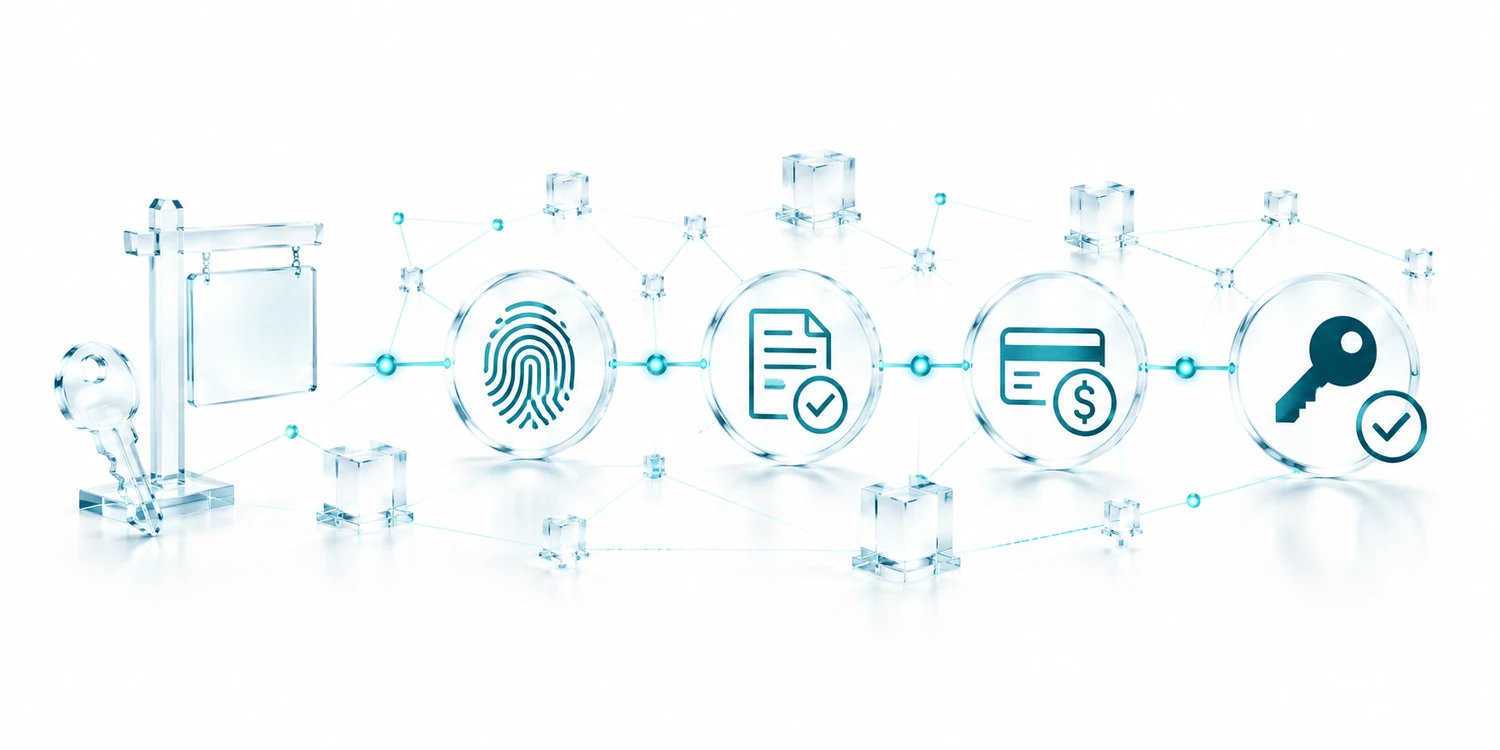
In the future, technologies such as blockchain, smart contracts, digital identity, electronic documents and digital payments could help some of those systems communicate more efficiently.
For example, certain transaction milestones could potentially be digitally verified and recorded as they happen.
This doesn’t necessarily mean removing the professionals involved.
It could mean giving them better-connected tools.
Could Smart Contracts Be Part of a Home Sale?
Potentially.
Smart contracts are computer programs that run on blockchain networks and can perform certain actions when predetermined conditions are met.
In a future real estate transaction, technology might help verify that a particular requirement has been completed before allowing another programmed step to occur.
But a smart contract isn’t automatically the same thing as your legal purchase agreement.
The legal agreement says what should happen.
The smart contract can help make certain programmed actions happen.
Does This Mean My Home Will Be Tokenized?
Not necessarily.
Tokenization is another use of blockchain technology where certain rights or interests connected to an asset can be represented digitally.
You may hear more about tokenized real estate as this technology develops, particularly in real estate investment.
But owning a traditional home does not mean your property will automatically become a tokenized asset.
And creating a token connected to a property does not automatically change the property’s legal ownership.
Blockchain provides the technology. The legal structure determines what the token represents.
Where Does AI Fit In?
AI and blockchain are different technologies, but they could increasingly work alongside each other.
AI can help analyze property information, organize documents, assist with property searches, identify patterns and help people work with large amounts of information.
Blockchain can help create a verifiable record of certain information and transactions.
A simple way to remember the difference is:
AI helps work with information.
Blockchain helps verify the record of information.
Together with technologies such as smart contracts and digital payments, they could become pieces of a more connected real estate system.
What Isn’t Changing Overnight?
This is important.
Blockchain doesn’t suddenly replace property laws, county recording offices, title companies, lenders, real estate professionals or the legal requirements involved in transferring property.
Real estate is tied to laws and physical property in specific locations.
New technology has to work within those systems.
Changes are likely to happen gradually as technology develops, laws evolve and governments and industries decide where these tools provide real benefits.
Why Should a Homeowner Learn About This Now?
You don’t need to become a blockchain expert.
But your home may be one of the largest and most important assets you ever own.
Understanding how property records and transactions are becoming more digital can help you recognize changes as they happen.
Terms such as digital deeds, tokenization, smart contracts, digital identity and blockchain property records may become more common.
Knowing what those terms actually mean puts you in a much better position to understand what is changing—and what isn’t.
The Simple Takeaway
For homeowners, blockchain isn’t really about cryptocurrency.
It’s about the possibility of a more connected digital system for recording, verifying and transferring property information.
Your home will still be your home.
Property laws will still matter.
Human judgment will still matter.
But the technology working behind a future real estate transaction may look very different from what we use today.