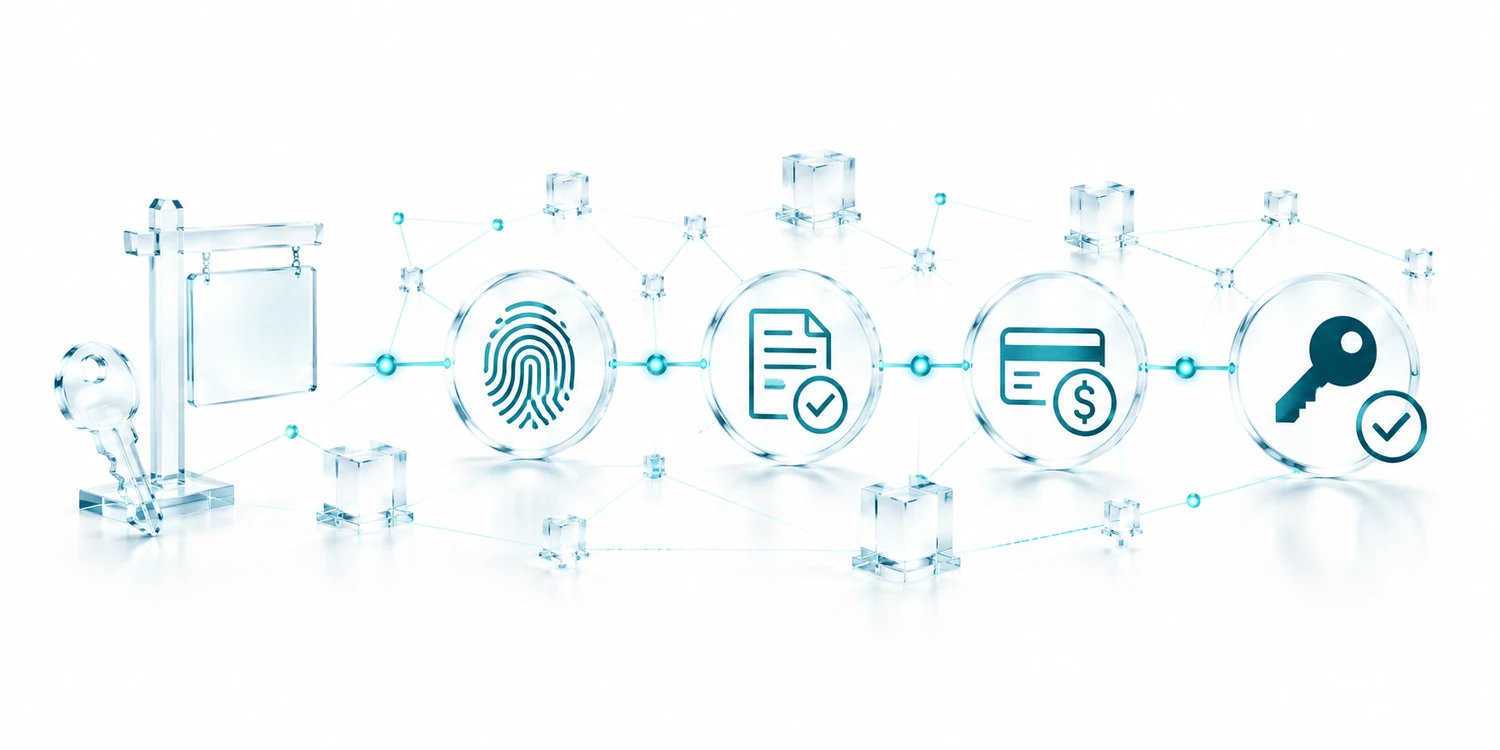
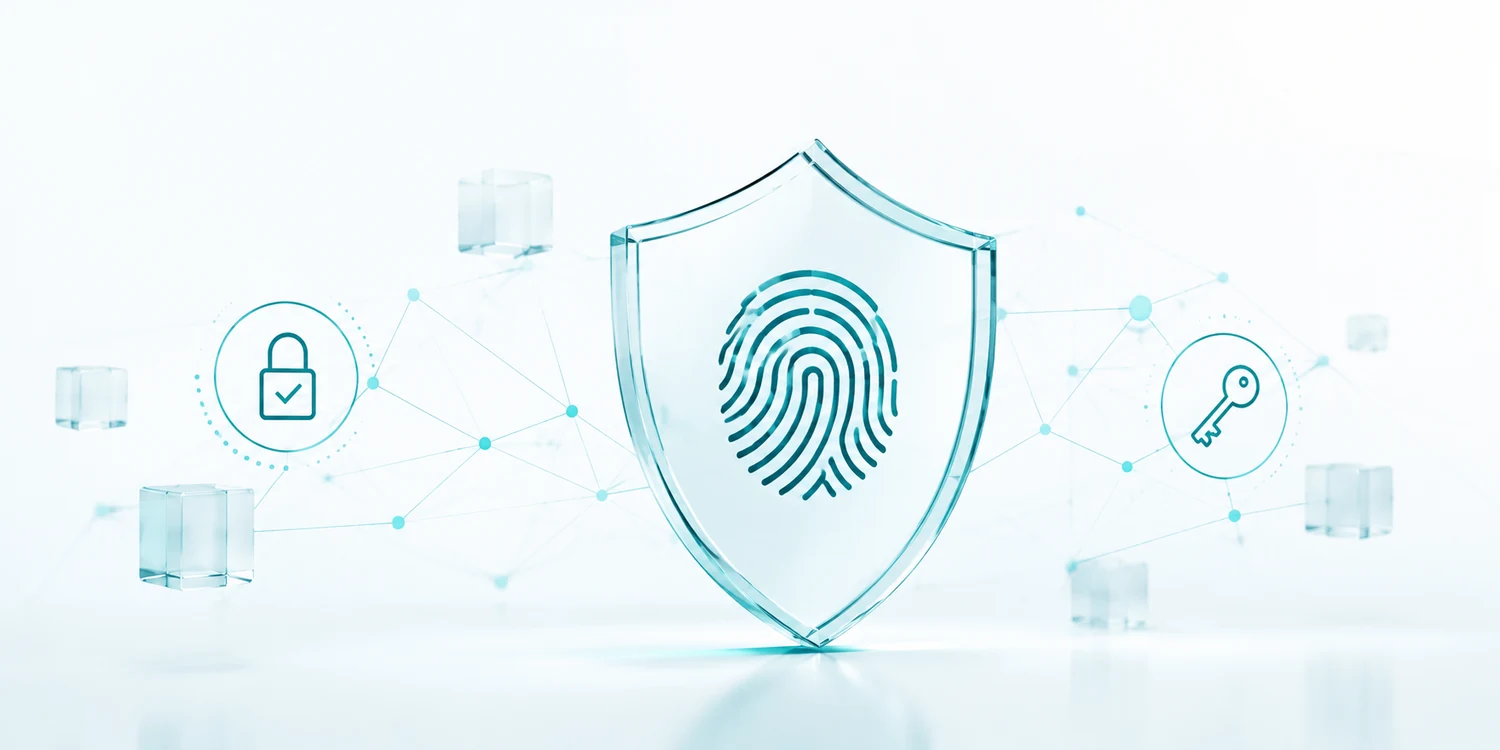
Understanding how blockchain could help protect property records, verify information, and add another layer of security to future property systems.
1. Could Someone Use Blockchain to Change Who Owns My House?
No. Simply changing information on a blockchain would not, by itself, change the legal ownership of your house.
Changing legal ownership would still require the appropriate legal steps and authorization. Blockchain could also help preserve a record of changes, making them easier to track and verify.
Simple Example:
If a property record says you own the home, someone can’t simply erase your name and replace it with theirs.
Blockchain can help protect the record.
Property law still determines legal ownership.
2. What If a Digital Key Is Lost?
A digital key is like a password that proves you have permission to access something on a blockchain.
If a digital key is lost, it doesn’t automatically mean you lose ownership of your house. How access is restored would depend on the system being used and its identity-verification and recovery process.
Simple Example:
Think of it like losing the key to your house.
You still own the house—you just need a secure way to restore access.
3. Who Would Control My Property Information?
You would still own your property. Blockchain doesn’t change that.
Your property information could be managed by trusted organizations, such as a county recorder, title company, or other authorized service.
Blockchain could be the technology used to help record and verify information.
Simple Example:
Think of blockchain like a secure digital filing cabinet.
Authorized people could add or update information, while blockchain helps preserve a record of what was recorded and when.
You own the property.
Authorized organizations manage the records.
Blockchain helps verify the history.
4. Would My Property Information Be Public on a Blockchain?
Not necessarily.
Using blockchain doesn’t mean all of your personal information has to be visible to everyone.
Some property information is already public record, such as recorded deeds.
A blockchain system could be designed so that information that is not required to be public can remain protected.
Simple Example:
Today, someone may be able to look up a recorded deed or other public property information.
That doesn’t mean they have access to all of your personal information.
The law determines what property information is public.
5. How Could Blockchain Help Show If a Property Record Was Changed?
A document can be given a unique digital fingerprint—a special code created from that exact document.
It is not a person’s fingerprint.
If someone changes even one small part of the document, the digital fingerprint changes too.
Simple Example:
Imagine the original deed contains:
Legal Description: Lot 4, Block 2
That document could have a digital fingerprint such as:
Original deed:
8F2A91C7D4B6…
Now imagine someone changes the document to:
Legal Description: Lot 5, Block 2
The fingerprint would change:
Changed deed:
3C71E84A9F20…
Because the two digital fingerprints don’t match, it shows that something in the document has changed.
Think of it this way:
👆 Your fingerprint helps identify you.
📄 A digital fingerprint helps identify a specific document.
The entire deed doesn’t necessarily have to be placed on a public blockchain to use this type of verification.
Blockchain can help verify the integrity of the record.
6. How Could Blockchain Help Verify My Property Record?
Blockchain can create a clear history of a property record and show when certain changes were recorded.
The legal system would still determine ownership. Blockchain could help provide a trustworthy history of the record.
Simple Example:
Think about your property deed.
Today, your deed is recorded as part of the official property record.
Blockchain could add another way to verify the record and track its history.
📄 Your deed = The legal document
🏛️ Official property records = Record the ownership information
🔗 Blockchain = Could help verify and track the record
7. How Would My Identity Be Verified?
Before someone is authorized to make an important change to a property record, a system could require them to prove who they are.
This could include an ID, password, digital signature, or even biometric verification such as a fingerprint or Face ID.
Simple Example:
Think about unlocking your phone with your fingerprint or face.
A future property system could use similar security to help confirm:
“Yes, this really is you.”
before allowing an important action.
8. What Happens If Someone Makes a Mistake in a Property Record?
Mistakes can still happen.
A mistake could be corrected through the proper legal or authorized process, while blockchain could help preserve a history showing what happened.
Simple Example:
Imagine a deed was recorded and an error was later discovered in the legal description.
The proper process could be used to correct the error, while blockchain could help preserve a history showing:
Original record
↓
Error discovered
↓
Correction recorded
The original history doesn’t simply disappear.
The legal process corrects the record.
Blockchain can help preserve the history.
The Simple Takeaway
Blockchain doesn’t replace property laws, identity verification, title professionals, or the people responsible for maintaining property records.
Instead, it could provide another layer of technology that helps make certain property records easier to verify, harder to secretly change, and easier to track over time.
A simple way to remember it:
Blockchain helps protect and preserve the record.
Identity verification helps establish who is acting.
Property law determines legal ownership.
Continue Learning
Next: Buying & Selling — How Could Technology Change a Home Sale?